Listen and choose the same sentence.
Correct!
Not quite
Answerいっしょに かいものに いきませんか。
「〜ませんか」 is how you invite someone. The speaker is inviting you to go 「かいもの」 (shopping).
 Day One Japanese
Step 1 of 7
Your progress can't be saved on this device. You can keep learning while this page is open.
Lesson 12
さそう・さそわれる
Inviting someone, saying yes to an invitation, or politely saying no when you can't go.
Lesson 12 Inviting and being invited
First, listen to the conversation. Listen as many times as you like.
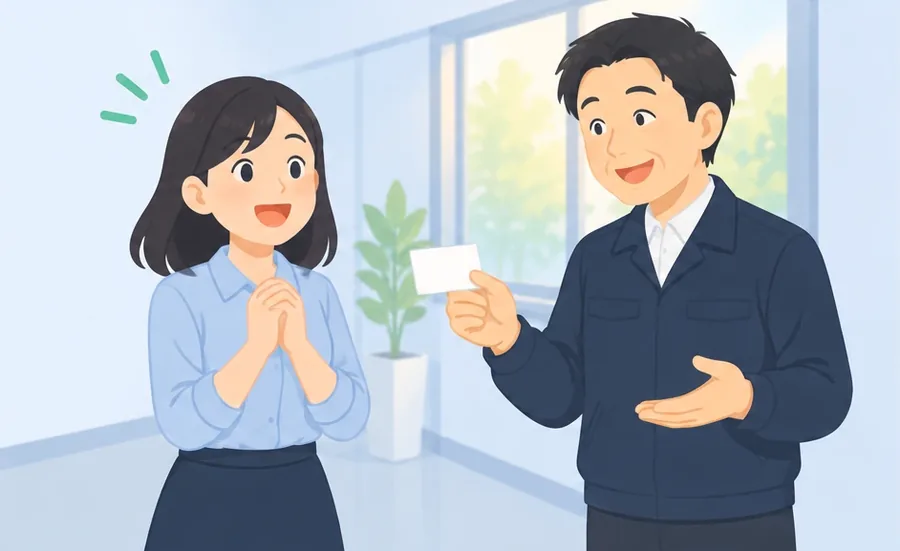
At the end of work. Tanaka invites Linh to a group dinner on Friday.
 Tanaka
リンさん、きんようびに しょくじかいを します。
Linh, we're having a group dinner on Friday.
Tanaka
6じから、しょくどうです。きませんか。
From 6, in the cafeteria. Would you like to come?
 Linh
ありがとうございます。ぜひ いきます。
Thank you. I'd love to come.
Linh
うれしいです。たのしみです。
I'm so happy. I'm looking forward to it.
Tanaka
じゃあ、6じに しょくどうに きて ください。
Then please come to the cafeteria at 6.
Linh
はい、6じに いきます。ありがとうございます。
Okay, I'll be there at 6. Thank you.
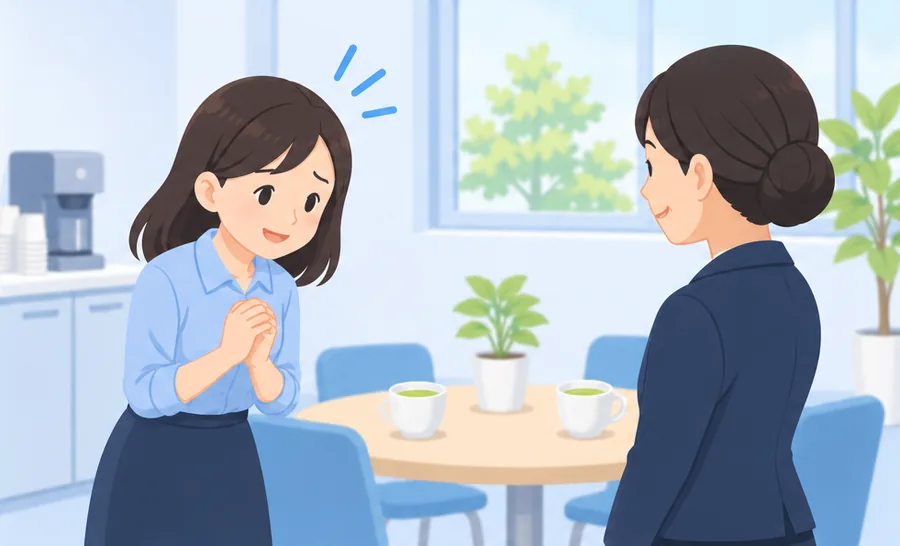
Lunch break in the break room. Sato invites Linh to go shopping on Sunday.
 Sato
リンさん、にちようびに いっしょに かいものに いきませんか。
Linh, would you like to go shopping together on Sunday?
Linh
おさそい ありがとうございます。すみません、にちようびは よていが あります。
Thank you for inviting me. I'm sorry, I have plans on Sunday.
Sato
そうですか。ざんねんですね。
I see. That's too bad.
Sato
じゃあ、どようびは どうですか。
Then how about Saturday?
Linh
どようびは だいじょうぶです。
Saturday is fine.
Sato
じゃあ、どようびに いきましょう。やくそくですね。
Then let's go on Saturday. It's a promise.
Linh
はい。たのしみです。
Yes. I'm looking forward to it.
Lesson 12 Inviting and being invited
Check what each line of the conversation means.
At the end of work. Tanaka invites Linh to a group dinner on Friday.
Tanaka
リンさん、きんようびに しょくじかいを します。
Linh, we're having a group dinner on Friday.
Tanaka
6じから、しょくどうです。きませんか。
From 6, in the cafeteria. Would you like to come?
Linh
ありがとうございます。ぜひ いきます。
Thank you. I'd love to come.
Linh
うれしいです。たのしみです。
I'm so happy. I'm looking forward to it.
Tanaka
じゃあ、6じに しょくどうに きて ください。
Then please come to the cafeteria at 6.
Linh
はい、6じに いきます。ありがとうございます。
Okay, I'll be there at 6. Thank you.
Lunch break in the break room. Sato invites Linh to go shopping on Sunday.
Sato
リンさん、にちようびに いっしょに かいものに いきませんか。
Linh, would you like to go shopping together on Sunday?
Linh
おさそい ありがとうございます。すみません、にちようびは よていが あります。
Thank you for inviting me. I'm sorry, I have plans on Sunday.
Sato
そうですか。ざんねんですね。
I see. That's too bad.
Sato
じゃあ、どようびは どうですか。
Then how about Saturday?
Linh
どようびは だいじょうぶです。
Saturday is fine.
Sato
じゃあ、どようびに いきましょう。やくそくですね。
Then let's go on Saturday. It's a promise.
Linh
はい。たのしみです。
Yes. I'm looking forward to it.
Lesson 12 Inviting and being invited
These are the key phrases from the conversation. Say them out loud and copy them.
Some lines don't have audio yet (coming soon)
いっしょに [かいもの]に いきませんか。
Would you like to go [shopping] together?
Use this to invite someone. Compared with 「いきますか」, it is a gentler way to invite. If they say no, there is no need to worry.
ありがとうございます。ぜひ いきます。たのしみです。
Thank you. I'd love to go. I'm looking forward to it.
Use this to answer an invitation when you want to go. Thank them first, then show your happiness with 「ぜひ」 and 「たのしみです」.
すみません、[にちようび]は よていが あります。
I'm sorry, I have plans on [Sunday].
Use this when you can't go. Starting with 「おさそい ありがとうございます」 softens it. Saying so early is kinder than saying 「はい」 and not coming. You can also give the reason, such as 「しごとが あります」.
また こんど おねがいします。
Please ask me again another time.
Add this after saying no. It shows you would like to go. Use it when you really hope they will ask you again.
そうですか。ざんねんですね。じゃあ、[どようび]は どうですか。
I see. That's too bad. Then how about [Saturday]?
Use this when the person you invited says no. Don't blame them; say 「ざんねんですね」 and suggest another day.
「〜ませんか」 is how you invite someone (いっしょに かいものに いきませんか). 「いっしょに」 means doing the same thing at the same time. When you are invited and can go, answer 「ぜひ いきます」. When you can't, first say 「おさそい ありがとうございます」, then give a short reason like 「すみません、にちようびは よていが あります」 (the same form as 「しごとが あります」 in Lesson 9). Then add 「また こんど おねがいします」 to show how you feel. 「〜ましょう」 means “let's …” and is used once the plan is set (どようびに いきましょう).
いっしょに
together
しょくじかい
group dinner
まつり
festival
はなび
fireworks
バーベキュー
barbecue
しゅうまつ
weekend
こんしゅう
this week
らいしゅう
next week
やくそく
promise / arrangement
また こんど
another time
たのしみです
looking forward to it
ざんねんです
that's too bad
うれしいです
I'm glad
ぜひ
by all means / I'd love to
たのしいです
it's fun
よていが あります
I have plans
〜ませんか
would you like to …?
〜ましょう
let's …
おさそい ありがとうございます
thank you for inviting me
あいましょう
let's meet
Lesson 12 Inviting and being invited
Practice 1 of 10
You've answered every question. Now let's try the ones you missed once more.
Listen and choose the same sentence.
Correct!
Not quite
Answerいっしょに かいものに いきませんか。
「〜ませんか」 is how you invite someone. The speaker is inviting you to go 「かいもの」 (shopping).
Listen and choose the same sentence.
Audio coming soon
The audio is coming soon, so you can skip this question.
Correct!
Not quite
Answerざんねんです
「ざんねんです」 expresses regret, for example when someone can't go or can't do something.
You invite a friend to go shopping together. Which word goes in ( )?
いっしょに かいものに いき( )。
Correct!
Not quite
Answerませんか
To invite someone, use 「〜ませんか」. 「いきません」 means “I won't go”.
You can't go this time, but you want to say “please ask me next time”. Which word goes in ( )?
また( ) おねがいします。
Correct!
Not quite
Answerこんど
「また こんど おねがいします」 is what you add after saying no.
You want to go to the festival. What do you answer?
Sato
らいしゅうの まつりに いっしょに いきませんか。
Correct!
Not quite
Answerありがとうございます。ぜひ いきます。たのしみです。
When you are invited and want to go, thank them and show how you feel with 「ぜひ」 and 「たのしみです」.
You have to work on Sunday, so you can't go. What do you answer?
Tanaka
にちようびに バーベキューに いきませんか。
Correct!
Not quite
Answerおさそい ありがとうございます。すみません、にちようびは しごとが あります。
Saying 「はい」 when you can't go causes trouble later. Thank them first, then give a short reason.
You can't go this time, but you hope they will ask you again. What do you say?
Sato
そうですか。ざんねんですね。
Correct!
Not quite
Answerまた こんど おねがいします。
Saying 「また こんど おねがいします」 shows you would like to go.
The day is settled. You want to show you are happy. What do you say?
Sato
じゃあ、どようびに いきましょう。
Correct!
Not quite
Answerはい。たのしみです。
Once the plan is set, saying 「たのしみです」 makes the other person happy, too.
Tap the parts in the correct order to make a sentence.
Parts line up in the order you tap. Tap a placed part to take it back.
Correct!
Not quite
Answerすみません、 にちようびは よていが あります。
It's 「すみません、にちようびは よていが あります」. Say 「すみません」 first, then explain.
This is a notice in the dormitory. When is the group dinner?
Correct!
Not quite
Answerきんようび 6じ
It says 「しょくじかい きんようび 6じ」. The 「バーベキュー」 is on Sunday at 11.
All correct!
Practice complete. Great work!
Lesson 12 Inviting and being invited
In this situation, try saying it out loud.
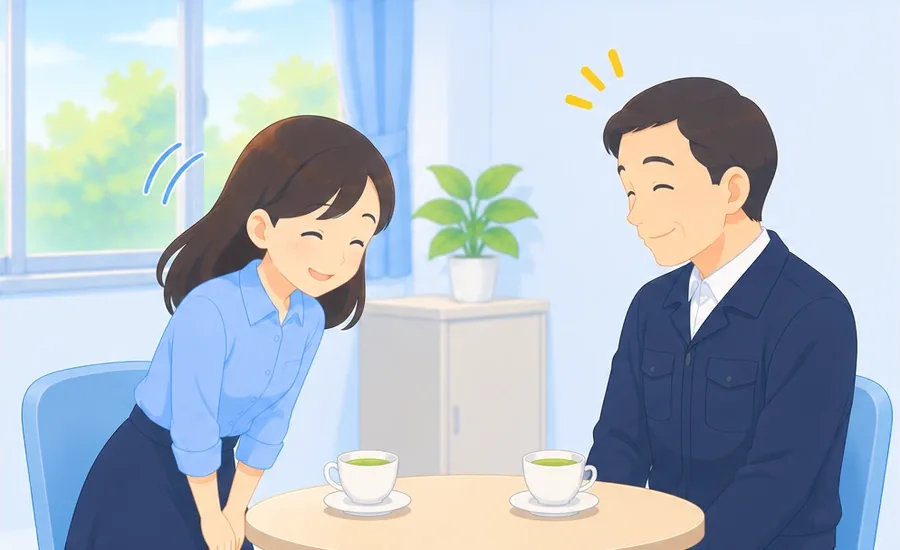
Tanaka invites you: 「どようびに バーベキューに いきませんか」. You have to work on Saturday, so you can't go, but you hope he will ask you again. Say it out loud.
Thank him first with 「おさそい ありがとうございます」. Then give the reason, 「すみません、どようびは しごとが あります」, and finish with 「また こんど おねがいします」.
Example
おさそい ありがとうございます。すみません、どようびは しごとが あります。また こんど おねがいします。
You can invite someone with 「にちようびに いっしょに かいものに いきませんか」. When you are invited, you can answer 「ありがとうございます。ぜひ いきます。たのしみです」.
When you can't go, you can say no with 「おさそい ありがとうございます。すみません、にちようびは よていが あります」 and add 「また こんど おねがいします」.

You finished Lesson 12
Day streak
You can invite someone with 「にちようびに いっしょに かいものに いきませんか」. When you are invited, you can answer 「ありがとうございます。ぜひ いきます。たのしみです」.
I can do it
Not yet
When you can't go, you can say no with 「おさそい ありがとうございます。すみません、にちようびは よていが あります」 and add 「また こんど おねがいします」.
I can do it
Not yet